
Guide on how to preserve old photos for generations
The scent of decaying leather hung heavy in the attic as Emma Torres lifted the lid of her grandmother’s steamer trunk. Inside, beneath layers of yellowed lace and wartime letters, lay a leather-bound album swollen shut by decades of humidity. With the patience of an archaeologist, Emma used dental floss to separate pages fused by time. When a cabinet card finally slipped free, her breath caught: the image showed a young woman in a high-collared blouse, her eyes echoing Emma’s own. But the portrait was a battlefield—water stains bloomed like inkblots across the subject’s face, and the corners curled inward like withered leaves. “I felt this physical ache,” Emma recalls. “This was my great-grandmother Isabel, and I was watching her disappear before my eyes.”
This moment captures the sacred urgency to preserve old photos for generations. For professional archivists, every damaged image represents a race against chemistry, climate, and time. Yet their battlefield-tested techniques aren’t locked in museum labs—they’re accessible to anyone willing to become their family’s keeper of memories.
Table of Contents
The Silent War Within Your Shoebox
Photographs are molecular time capsules engaged in invisible warfare. A 19th-century albumen print—crafted from egg whites and silver nitrate—slowly cracks as proteins degrade. Early 20th-century cellulose nitrate negatives emit gaseous acids that eat their own emulsions, while color photographs from the 1970s suffer “magenta fade” as dye molecules unravel. “These aren’t static objects…”
Consider the tragedy of “magnetic” photo albums—those sticky-paged relics of the 1970s. Their polyvinyl chloride (PVC) overlays release hydrochloric acid gas that clouds images in a greasy film. Conservator Ben Harris describes a 1968 baby photo he treated: “The plastic had fused to the emulsion like shrink-wrap. Peeling it risked taking the baby’s face with it.” Equally insidious are well-intentioned repairs. Cellophane tape turns sulfuric over decades, burning amber scars into paper. Even the ink from a ballpoint pen can migrate through layers, surfacing years later as ghostly script on a subject’s cheek.
The Enemies at a Glance:
- Heat: Causes emulsion to expand and contract until it crystallizes
- Humidity: Swells paper fibers, encouraging mold and “blocking” (stuck pages)
- Acids: Migrate from cardboard mounts, burning foxing marks
- Light: UV rays bleach dyes and accelerate oxidation
Archivist Secrets: Preservation Techniques You Can Steal
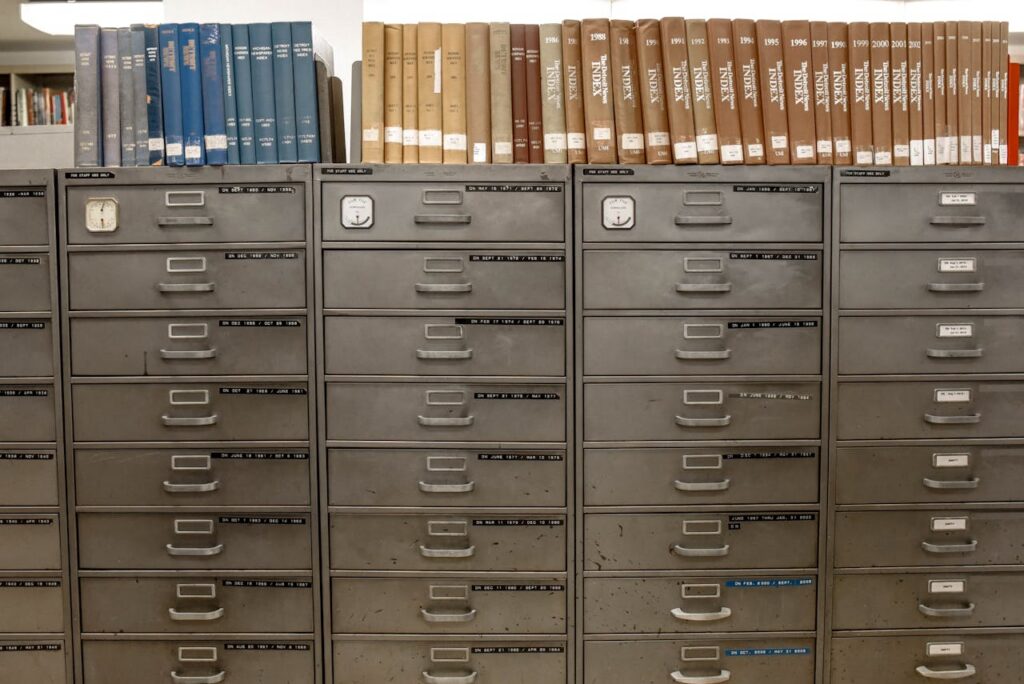
Professional conservators approach photographs with the reverence of surgeons. At the National Archives, technicians don nitrile gloves (cotton can snag fragile edges) and work on clean foam-lined tables. For photos trapped in albums, they deploy microspatulas—feather-thin titanium tools that slide beneath corners while cool air from an ultrasonic humidifier softens adhesives. “Patience is non-negotiable,” notes Heather Barnes of the Smithsonian. “We once spent six hours freeing a Civil War tintype from a mourning locket using nothing but distilled water vapor and dental floss.”
Creating a museum-quality environment at home is simpler than you think:
- Convert an interior closet by lining shelves with acid-free corrugated board ($25/sheet)
- Place indicating silica gel canisters inside airtight boxes (they turn pink when saturated)
- Store photos vertically in archival polyester sleeves to prevent pressure damage
For displayed heirlooms, invest in UV-filtering acrylic (Tru Vue Optium®, $120/sheet). “Light damage is cumulative and irreversible,” Barnes warns. “That sunny spot above your piano? It’s a slow-motion execution for photographs.”
When Disaster Strikes: Salvage Protocols from the Trenches
Water is the archivist’s nightmare. When Hurricane Katrina submerged New Orleans, conservators pioneered techniques now used worldwide:
- Rinse gently in distilled water (tap water contains minerals that stain)
- Interleave with Hollytex nonwoven fabric to prevent sticking
- Freeze in vacuum-sealed bags to halt mold growth
For fire-damaged images, the Library of Congress uses enzyme gels to lift soot without abrasion. After California wildfires destroyed the Miller home, conservators saved a charred 1943 portrait by placing it in a humidification chamber for 72 hours. “When the soldier’s smile emerged through the ash,” recalls conservator Amanda Rivera, “his 93-year-old widow touched the glass and whispered ‘Hello, Charlie’—her first words since the fire.”
Unlocking Genealogical Secrets Through the Lens
Photographs are silent witnesses to family history. Genealogist Gena Philibert-Ortega inherited an unlabeled 1890s cabinet card showing women in high-necked black dresses. Her analysis revealed:
- Jet bead collars = Victorian mourning attire (death within 2 years)
- Leg-of-mutton sleeves = 1893-1896 fashion window
- Painted backdrop = Signature of Peterson Studio, Cleveland
- Cardboard thickness = Pre-1900 production
Cross-referencing these clues with city directories and diaries revealed the subjects were sisters Ida and Florence Donovan. Ida’s 1896 obituary confirmed tuberculosis as the cause of death. “This wasn’t just a portrait,” Philibert-Ortega realized. “It was Ida’s farewell to her family—captured in silver gelatin.” You can achieve a simmilar result by improving your search and organization with PhotoConnect.
Your Preservation Legacy: A Step-by-Step Plan on how to Preserve Old Photos
Building a family archive requires strategy, not just sentiment. Follow this tiered approach:
1. The Foundation (Bronze Level)
Start with acid-free boxes and pencil labels. Document provenance on acid-free slips:
“Isabel Rodriguez, 1902. Found in blue trunk, Martinez home, San Antonio, 2001.”
2. The Historian’s Standard (Silver Level)
Add climate control (desktop dry cabinets, $450) and digitize at 1200 DPI. Embed metadata:
Headline: "Rodriguez, Isabel - Confirmation"
DateCreated: 1902-05-12
Description: "Hand-tinted, original in Box 3A"
Read more about scanning and digitizing old photos here: Step By Step Guide for Digitizing Old Photographs
3. The Heritage Guardian (Gold Level)
For priceless originals, use professional cold storage ($1,200/year). Include conservation reports detailing materials and interventions. You can use a tool like PhotoConnect to keep and organize your photo collection. More on how to use this service can be found here.
The Sacred Trust
When multispectral imaging revealed hidden engraving on a pocket watch in a damaged 1850s daguerreotype—“To James from Eleanor 1848”—it unlocked Irish marriage records, Boston land deeds, and ship manifests. “That watch held more genealogy than a census page,” says conservator Aaron Goodwin. “We’re not preserving silver and glass. We’re safeguarding gazes across centuries.”
Your family photographs are time machines. Handle them with reverence, preserve them with science, and future generations will meet their ancestors’ eyes. Using those tips to preserve old photos will allow you to use them a lot longer without worring, that they will break at the slightest touch.