
Have you ever held a faded, century-old photograph, feeling the brittle edges beneath your fingertips as you stare into the eyes of a stranger who shares your chin dimple or forehead contour? That profound longing to connect with ancestors – to transform nameless faces in crumbling albums into flesh-and-blood relatives – has driven genealogy research for generations. For decades, identifying unknown relatives relied on scribbled notes on photo backs, aging relatives’ fading memories, and serendipitous archive discoveries. But today, a technological revolution is unfolding where artificial intelligence, particularly face recognition, is transforming dusty attic discoveries into dynamic portals to our past. Imagine a digital detective that can scan thousands of family photos across continents in seconds, matching a Civil War soldier’s portrait to a baby picture in your cousin’s album. This isn’t science fiction – it’s happening now through platforms harnessing this powerful technology, turning old photos into keys that unlock family mysteries at unprecedented scale.

Table of Contents
The Silent Revolution in Visual Genealogy
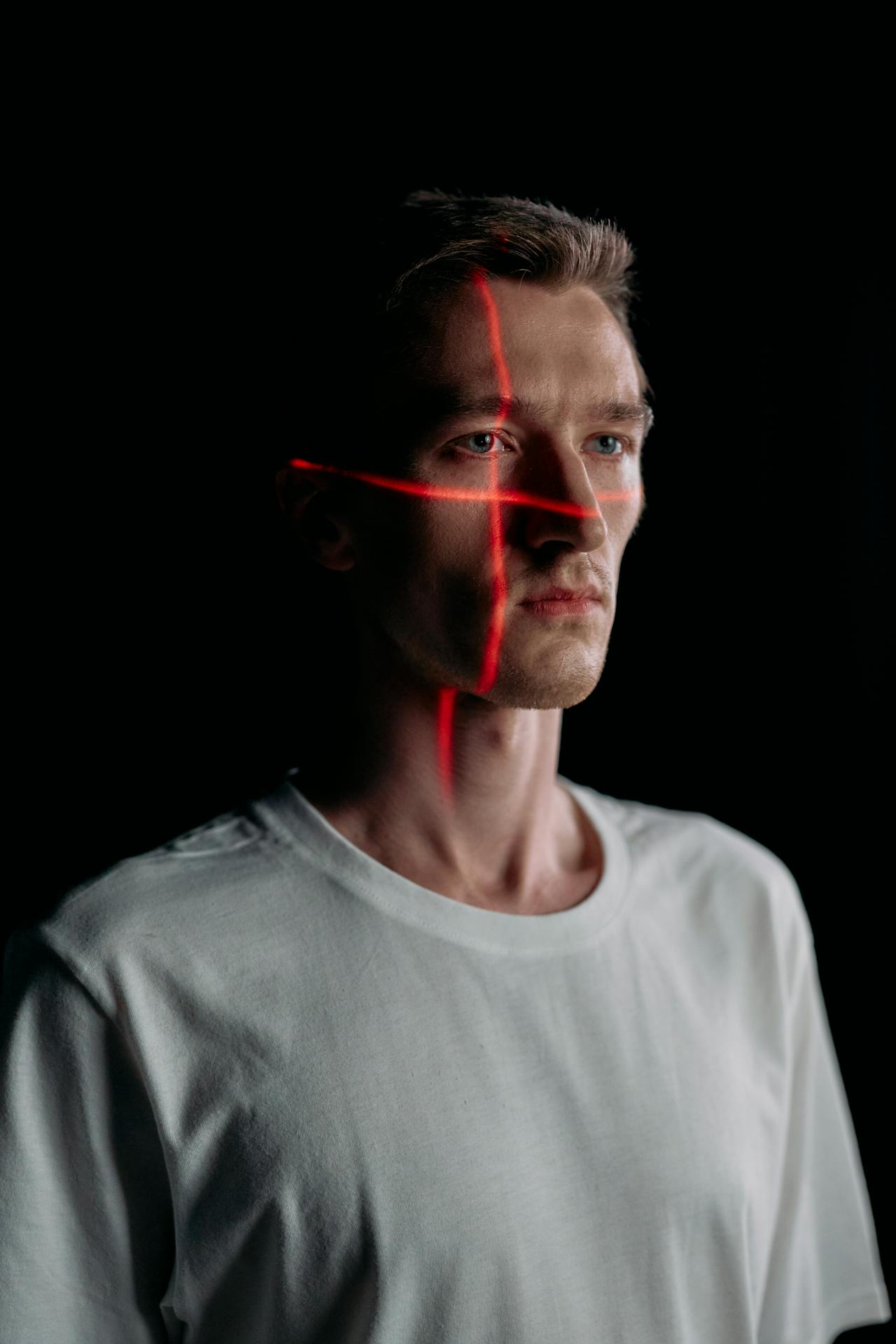
Just five years ago, identifying unknown ancestors required painstaking manual comparison and luck. Today’s face recognition technology creates mathematical “faceprints” by analyzing over 68 distinct facial landmarks – measuring everything from the precise distance between pupils to the angle of jawlines and depth of nasal bridges. These digital fingerprints remain consistent across decades, enabling matches human eyes would miss due to aging, hairstyle changes, or photo damage. At RootsTech 2025, experts demonstrated how this technology analyzes even low-quality old photos, revealing that a previously unidentifiable 1930s wedding guest was actually a great-grandmother’s sister – matched to her 1900s school portrait despite 30 years of aging.
The implications are profound:
- Solving “Brick Wall” Mysteries: A tintype of a stern-faced man, unidentified for generations, was matched in minutes to a census record portrait through AI comparison, revealing he was the immigrant ancestor who disappeared from records.
- Verifying Oral Histories: Family lore about a great-uncle’s resemblance to his granddaughter was visually confirmed when algorithms matched their chin structures at 98.7% similarity.
- Reconstructing Migration Paths: Photos from Ellis Island records linked to later Midwest farm portraits, visually tracing a family’s journey across America through their changing fashions and environments.
- Emotional Reunions: Holocaust descendants identified pre-war relatives in photos held by strangers – connections made possible when facial recognition bridged archival collections across three countries.
The numbers speak volumes: users of AI-enhanced platforms report identifying 3x more ancestors within their first year compared to traditional methods. This isn’t replacing human research – it’s augmenting it with tireless precision.
How Technology Transforms Photo Discovery
Modern genealogy platforms like PhotoConnect weave multiple technological layers into a seamless discovery experience:
- AI-Powered Face Search: Upload a photo, and algorithms scan millions of images across user collections and digitized archives. Unlike simple resemblance spotting, these systems analyze facial geometry down to micron-level measurements, comparing your mystery photo against military records, yearbooks, and ancestral hometown archives.
- Contextual Intelligence: Combining facial matches with geo-tagging allows searching for photos taken within a mile radius of ancestral homesteads. Advanced text search cross-references names, dates, and photo descriptions while filtering by time windows as narrow as five years 1. Imagine finding all photos taken within 10 miles of your great-grandfather’s village between 1895-1900 – a previously impossible task.
- Automated Preservation: Cloud storage with AI enhancement tools can automatically repair torn corners, reduce creases, and bring faded ancestors back into view. MyHeritage’s tools have restored over 15 million photos since 2020, making previously unusable images viable for matching.
- Collaborative Verification: When algorithms flag potential matches, human collaboration through secure messaging confirms connections. One user discovered a third cousin through matched photos, leading to a joint breakthrough on their shared Irish immigrant lineage. This is crowdsourced history in action – part science, part community.
Ethical Foundations of Visual Genealogy
As technology advances, ethical frameworks become critical. PhotoConnect enforces strict guidelines reflecting evolving industry standards:
- Privacy by Design: Living individuals are automatically blurred in public searches unless explicitly tagged with consent. Deceased status must be verified before detailed information appears – a crucial safeguard against identity misuse.
- Source Protection: Anti-scraping protocols and subtle watermarking protect contributors’ historical materials while allowing legitimate research.
- Transparency: Clear indicators distinguish AI-enhanced images from originals, maintaining historical integrity.
These measures address valid concerns about misuse while enabling responsible discovery. As one genealogist notes: “We’re not just identifying faces – we’re stewarding legacies”:
The Emotional Impact: When Pixels Become People
Beyond the technical marvel lies the human transformation. A 2023 University of Warsaw study found that 89% of genealogy participants felt “emotionally connected” to ancestors only after seeing AI-matched photos. Consider these real experiences:
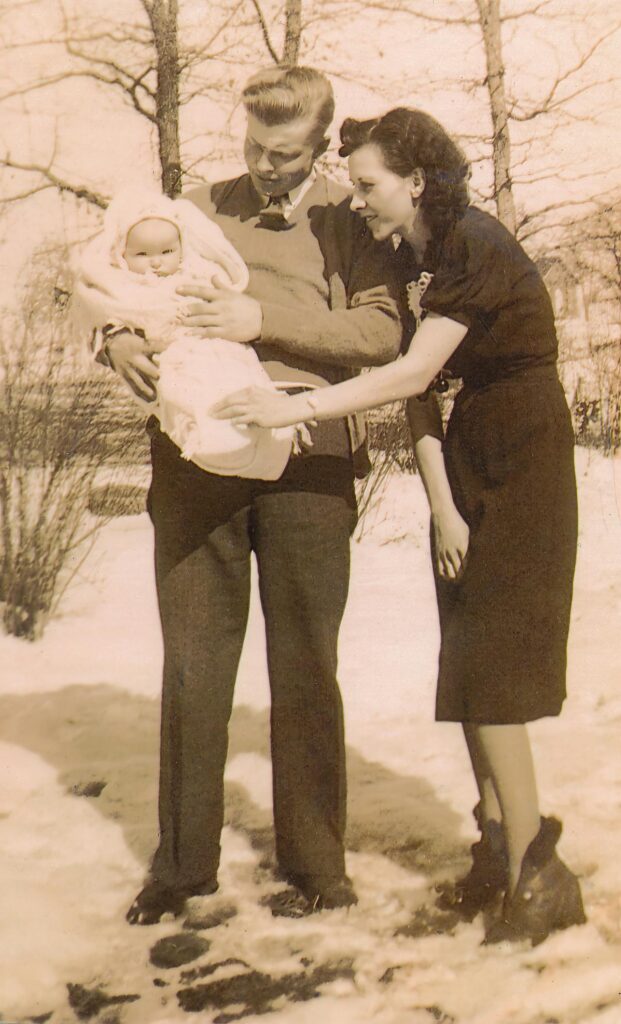
- Margaret’s Story: “I had one blurry photo of my grandmother as a child. After enhancement and matching, I discovered 17 images spanning her life – seeing her hold my mother as a baby, then me decades later. I wept seeing our three generations connected visually.”
- Military Identification Project: Volunteers used face recognition to identify 142 unnamed soldiers in Civil War tintypes, returning their photos to living descendants.
These aren’t just discoveries – they’re resurrections of personal narratives once lost to time.
Beginner’s Roadmap to Tech-Assisted Discovery
Step 1: The Treasure Hunt
Begin with your oldest, most mysterious photos. Prioritize group shots where multiple relatives appear together – these become goldmines for cross-referencing. Handle fragile cabinet cards with cotton gloves, photographing both front and back (even faint pencil marks matter!). Visit elderly relatives with a portable scanner; their shaky finger pointing at a blurry face might solve your mystery.
Step 2: Digitize with Care
Use scanners at 600 DPI minimum to capture eyelashes and fabric textures. For damaged images, professional services like LegacyBox can stabilize fragile originals while creating high-resolution digital backups. Add descriptive metadata: “Unidentified woman, circa 1890s, possibly Chicago, from the Miller family album.”
Step 3: Platform Selection
Choose services combining robust privacy controls with collaborative tools. Look for:
- Transparent AI processes
- Watermarking options
- Living person protections
- Cross-generational matching capabilities
Step 4: Start Matching
Upload clear portraits first. When matches appear, compare:
- Ear shapes (highly distinct)
- Brow ridge contours
- Lip curvature
- Relative facial proportions
Treat matches as clues – not conclusions. Verify through census records, local histories, and DNA connections.
Step 5: Build Community
Message matching photo owners respectfully: “Your photo matches my great-aunt. Might we compare notes?” Join surname-specific research groups to pool photo archives. Attend virtual genealogy meetups to share techniques – RootsTech 2025 showcased numerous AI workshops.
The Future of Family History
We stand at an inflection point where face recognition is evolving beyond identification into historical reconstruction:
- Time Travel: Emerging tools animate static photos, letting you watch your great-grandmother blink and smile – a profoundly moving experience gaining popularity.
- Global Archives: Projects like the Yearbook Indexing Initiative have processed 290 million faces from 1890-1979, creating searchable visual timelines of ordinary lives.
- Face Recognition Software: Tools like PhotoConnect allow researchers to manage their photo collection and perform effective search inside of an all-in-one platform. Do not miss out and learn how to use it here.
Conclusion: Your Turn to Unlock History
The attic trunk filled with unidentified family photos is no longer an endpoint – it’s a starting point. With face recognition technology now accessible through platforms designed for beginners, anyone can become a photo detective. The process is simpler than you think: gather, scan, upload, and let algorithms do the heavy lifting while you provide the human insight. Remember that toddler photo Google matched to a woman holding her grandchild? That’s the magic awaiting in your own collection.
As you embark on this journey, embrace both the technology and the responsibility. Document your findings thoroughly. Respect privacy boundaries. Share stories with younger generations. The faces in your old photos have waited decades – sometimes centuries – for their names to be restored. With AI as your ally and ethical awareness as your compass, you’re not just researching history. You’re reclaiming it.
Start your visual genealogy journey today. Upload your first mystery photo to PhotoConnect and let technology illuminate connections waiting to be found.